In January 2024, Ethiopia and Somaliland signed a Memorandum of Understanding (MoU). According to the official readout, the MoU is expected to “pave the way to realize the aspiration of Ethiopia to secure access to the sea and diversify its access to seaports.” The agreement sent geopolitical shockwaves across the Horn of Africa and beyond—from Cairo to Asmara to Mogadishu and Djibouti, and from the UAE to Turkey—eliciting a wave of intense regional and international responses.
The MoU was met with immediate condemnation from Somalia, which considers Somaliland an integral part of its territory. Somalia mobilized diplomatic allies, including Egypt and Eritrea, to push back against the deal. Egyptian and Eritrean leaders hosted President Hassan Sheikh Mohamud in a coordinated effort to oppose what they saw as a challenge to Somali sovereignty.
Egypt, which remains locked in a broader regional rivalry with Ethiopia over Nile River rights and Red Sea influence, viewed Ethiopia’s maritime ambitions as an unwelcome escalation. Eritrea, a longtime critic of Ethiopian regional dominance and a close ally of Egypt, echoed this sentiment, warning against any move that could alter Somalia’s territorial status.
Turkey, which maintains deep military and economic ties with Mogadishu, also intervened. Turkish officials, including President Recep Tayyip Erdoğan, sought to persuade Ethiopia to withdraw or pause implementation of the MoU. These efforts culminated in the Ankara Declaration, widely seen as Ethiopia’s diplomatic de-escalation—although no official document has confirmed the MoU’s cancellation. Ethiopia has yet to clarify its position, leaving the regional status of the agreement uncertain.
Amid limited options, Somaliland emerges as the most strategically viable partner. Politically stable and eager for recognition, it remains outside the influence of Egypt and Eritrea and has welcomed Ethiopian cooperation. A recent visit by Somaliland’s foreign minister to Addis Abeba, coinciding with AFRICOM Commander’s inspection of Berbera Port, suggests rising international interest in the region.
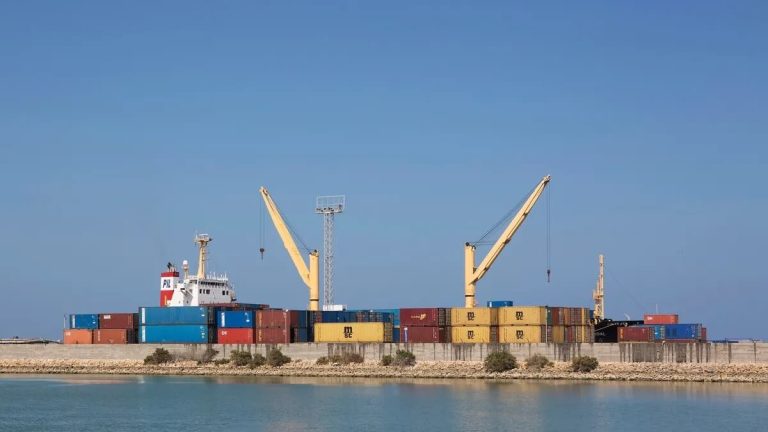
The United States has intensified its focus on Red Sea security in response to Houthi attacks, and Berbera offers valuable strategic depth. Israel has also expressed interest in the port as part of its efforts to secure maritime trade routes. Meanwhile, the UAE—a key Ethiopian ally—has continued to invest in Somaliland’s Berbera port through DP World.
Somaliland President Abdurrahman Irro recently visited the UAE and Kenya, signaling potential alignment with pro-Ethiopia Gulf and East African actors
Conclusion
The Horn of Africa is undergoing rapid geopolitical realignment. What was initially perceived as a provocative miscalculation—Ethiopia’s MoU with Somaliland—may now be seen as a visionary recalibration. With Djibouti taking a firmer nationalist line, Somalia leaning toward Ethiopia’s regional rivals, and Eritrea growing more confrontational, Somaliland presents Ethiopia with the least confrontational, most constructive pathway to the sea.
For Prime Minister Abiy Ahmed, the cost of inaction could prove higher than the risks of engagement. Ethiopia should work closely with Somaliland and key international stakeholders—including the UAE, Israel, and the United States—to finalize a secure and sustainable maritime access framework. This is no longer just a question of trade logistics; it is a matter of long-term regional influence, security, and survival. AS
Editor’s Note: Zerihun Hailu is a junior researcher and geopolitical analyst with a focus on the Horn of Africa and the Sahel region. He can be reached at zerihunhailu99@gmail.com