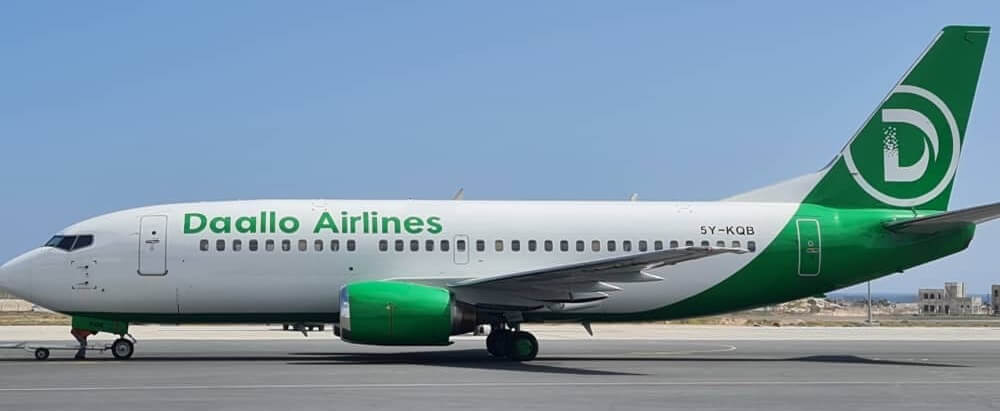
The Gulf of Berbera; a strategic maritime gateway
Somaliland’s other Recognitions by the International Community: A Strategic Opportunity to Secure the Gulf of Berbera and Stabilize the Horn of Africa.

By ; Mohamed Abdi Jama
writer and
Political Analyst.
The Horn of Africa stands at one of the world’s most strategically important crossroads, connecting Africa, the Middle East, Europe, and Asia through the Red Sea and the Gulf of Aden. However, this region has faced decades of insecurity, political instability, terrorism threats, maritime risks, economic challenges, and geopolitical competition among global powers.
The formal recognition of Somaliland by Israel represents a significant milestone in Somaliland’s international relations and opens a new chapter in discussions about Somaliland’s wider recognition by the international community.
Expanding Somaliland’s diplomatic recognition could become a strategic opportunity to strengthen regional security, promote economic development, and support a more stable political order in the Horn of Africa.
Somaliland’s strategic location, peaceful governance experience, and control over the Gulf of Berbera provide an opportunity for a new security and economic partnership that can benefit Africa and the wider international community.
1. The Gulf of Berbera: A Strategic Maritime Gateway
The Gulf of Berbera, was known the Gulf of Aden, is one of the most important maritime corridors in the world. It connects the Indian Ocean with the Red Sea and serves as a critical route for global trade, energy transportation, and international shipping.
More than 22% of global trade passes through the Red Sea–Bab el-Mandeb corridor, making the security of this maritime route a global priority. Any instability in this area directly affects international commerce, energy supplies, and global economic security.
Somaliland’s coastline, extending along this strategic waterway, gives it a unique role as a potential security partner in protecting maritime stability and preventing threats such as:
Piracy and illegal maritime activities;
Terrorist networks using coastal areas;
Arms and human trafficking;
Disruption of international shipping routes;
Expansion of destabilizing geopolitical influence.
Greater international recognition and cooperation with Somaliland would allow the global community to engage more effectively with a stable local authority capable of contributing to the protection of this vital maritime corridor.
2. International Recognition as a Tool for Regional Security
For more than three decades, Somaliland has developed functioning state institutions, maintained internal peace, conducted democratic elections, and built security structures despite limited international engagement.
The recent formal recognition of Somaliland by Israel demonstrates a growing international acknowledgment of Somaliland’s role and strategic importance. Further recognition from other countries would enable Somaliland to fully participate in international security cooperation, access development opportunities, and contribute officially to regional stability mechanisms.
Expanded international recognition would provide:
A. Stronger Counterterrorism Cooperation
The Horn of Africa remains vulnerable to extremist organizations. A more internationally integrated Somaliland could become a stronger partner in intelligence sharing, border security, and counterterrorism operations.
B. Maritime Security Cooperation
With expanded international partnerships, Somaliland could strengthen:
Coast guard capabilities;
Maritime surveillance systems;
Protection of shipping routes;
Cooperation with international naval missions.
C. Stability Through Legitimate Institutions
Broader international recognition encourages stronger governance, accountability, and institutional development, reducing the conditions that allow insecurity and extremism to grow.
3. Berbera Port: An Economic Engine for the Horn of Africa
The Port of Berbera has the potential to become one of the most important trade hubs in East Africa.
With investment, modernization, and regional integration, Berbera can serve as:
A trade gateway for landlocked Ethiopia;
A logistics center connecting Africa and global markets;
A competitor and complement to existing regional ports;
A driver of employment and economic growth.
Greater international recognition of Somaliland would increase investor confidence, attract international financial institutions, and allow Somaliland to participate more effectively in global trade networks.
A stable and internationally connected Berbera Corridor could transform the economic geography of the Horn of Africa.
4. Somaliland’s Wider Recognition Can Reduce Geopolitical Competition Risks
The Horn of Africa has become a major arena of global competition involving:
The United States;
China;
European countries;
Gulf states;
Turkey;
Other emerging powers.
Without a balanced security framework, competition over ports, military access, natural resources, and maritime influence could increase regional tensions.
A Somaliland that receives broader international recognition could contribute to a balanced regional order by becoming:
A reliable partner for international security cooperation;
A transparent investment destination;
A democratic model in the Horn of Africa;
A bridge between Africa and the Middle East.
5. Somaliland’s Expanded Recognition as a Peace-Building Opportunity
The recognition of Somaliland should not be viewed only as a diplomatic issue; it should be considered within the broader framework of peace, security, and development.
A stable and internationally engaged Somaliland can contribute to:
Regional conflict prevention;
Economic integration;
Youth employment opportunities;
Democratic governance;
Reduction of migration pressures;
Strengthening African stability.
Recognizing Somaliland’s role and expanding international cooperation would strengthen international security efforts in one of the world’s most strategically sensitive regions.
6. A New Partnership Model for the Horn of Africa
The future stability of the Horn of Africa requires cooperation between African states and international partners. Somaliland’s expanding international recognition could become part of a broader regional strategy based on:
1. Maritime Security Partnership
Protecting the Gulf of Aden and Red Sea trade routes.
2. Economic Connectivity
Developing ports, roads, energy, and trade corridors.
3. Democratic Governance Support
Strengthening accountable institutions.
4. Regional Peace Cooperation
Building dialogue and cooperation among neighboring countries.
Finally : Somaliland’s Recognition as an Investment in Regional Stability
Somaliland’s recognition by Israel and the possibility of wider international recognition represent more than a diplomatic development; they represent a strategic opportunity to strengthen security, economic development, and political stability in one of the world’s most important regions.
The Gulf of Berbera and the Horn of Africa require reliable partners capable of protecting maritime routes, supporting economic growth, and preventing instability. Somaliland’s decades of relative peace, strategic location, and institutional development provide a foundation for such a partnership.
A Somaliland with broader international recognition could become a cornerstone of regional stability — transforming the Gulf of Aden from a zone of geopolitical competition and security risks into a corridor of trade, cooperation, and shared prosperity.
The international recognition of Somaliland is not only about Somaliland’s future; it is about the future security, stability, and economic prosperity of the Horn of Africa and the global maritime economy.
Dhimbiil Mohamed
Post Views: 23